Nottingham is home to a burgeoning modelling scene, business. With a diverse array of talent and an increasing demand for unique faces, modelling agencies in Nottingham are at the forefront of discovering fresh new stars.
From scouting undiscovered gems to providing opportunities for aspiring models, these agencies play a pivotal role in transforming dreams into reality. We'll uncover the qualities that make these agencies stand out and discuss how they are redefining standards within the fashion and advertising realms. Get ready to dive into the exciting realm of modelling agencies in Nottingham!
Modelling Opportunities
Getting Started
To kickstart a modelling career in Nottingham, it's crucial to understand the industry requirements. Research local modelling opportunities and assess your personal interest and commitment. To kickstart a modelling career in Nottingham, it's crucial to understand the industry requirements. Consider whether you want to pursue your career independently or through agency representation.
To kickstart a modelling career in Nottingham, it's crucial to understand the industry requirements. Be sure to look for positive client testimonials and reviews online. These can provide valuable insights into an agency’s professionalism and reliability.
Exploring Modelling Genres
Fashion Modelling
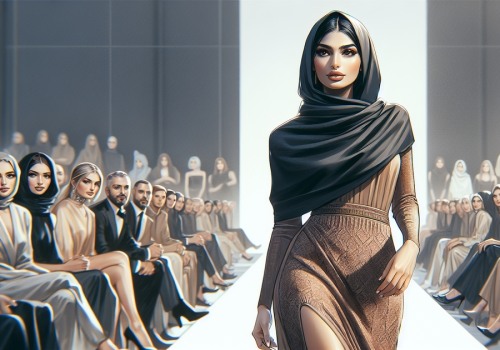
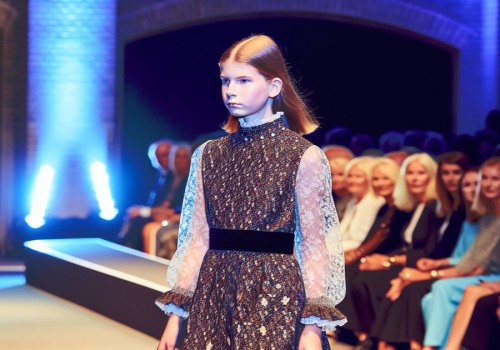
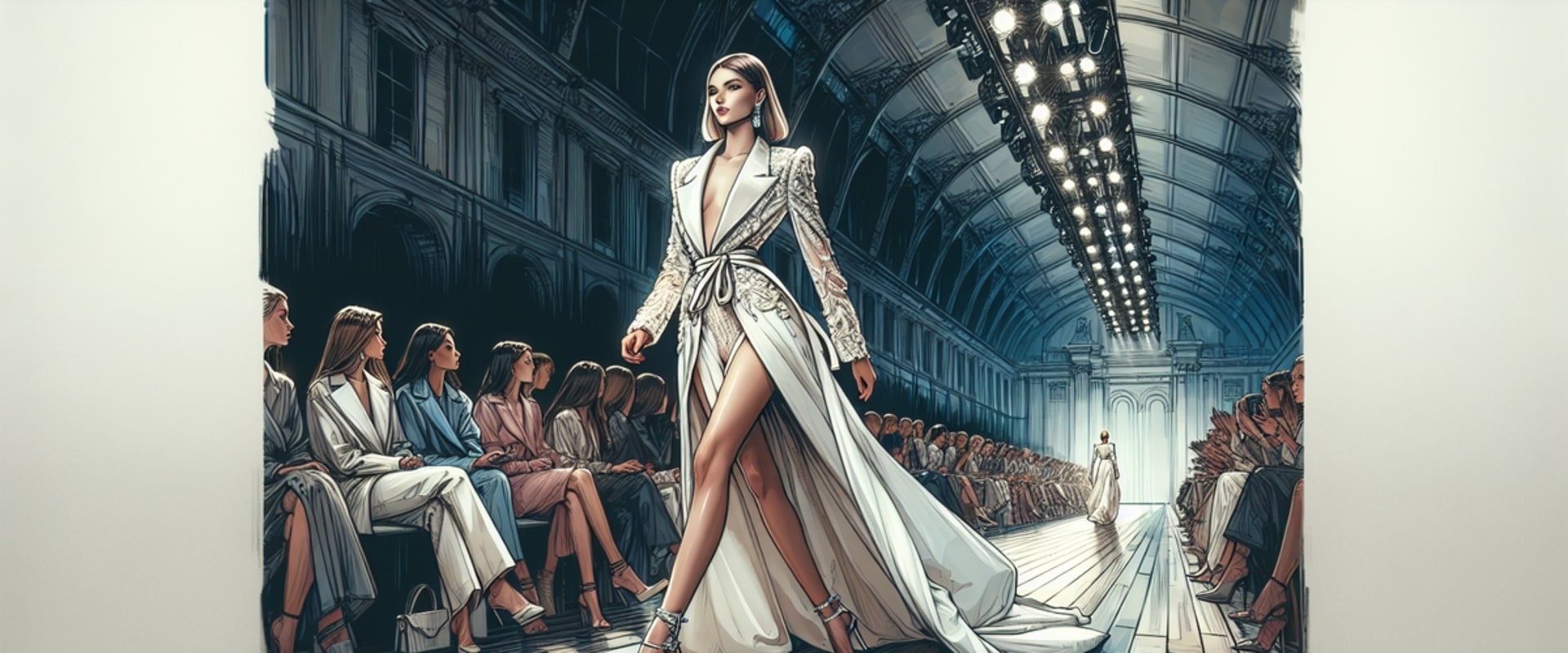
Fashion modelling agencies in Nottingham primarily focus on high fashion trends, runway shows, and editorial or designer collaborations. Models working in this genre need to embody a versatile look and physique that can adapt to the ever-changing demands of the fashion industry. They often showcase haute couture, avant-garde designs, and luxury brands.
Fashion models are expected to exude confidence while walking the runway and posing for photoshoots. Their ability to convey different moods and emotions through their expressions is crucial for capturing the essence of high-end fashion. For example, they might need to portray elegance one moment and edginess the next.
These models often work with renowned designers, photographers, makeup artists, and stylists. They may also participate in international fashion weeks or feature in prestigious fashion magazines like Vogue or Harper's Bazaar.
Commercial modelling agencies cater to a broader audience by showcasing everyday products such as clothing lines, household items, beauty products, or services like banking or insurance. The emphasis here lies on relatability; commercial models should possess approachable looks that resonate with consumers from various demographics.
Versatility plays a significant role in commercial modelling as well – models must be able to convey warmth and trustworthiness when promoting family-oriented products while also exuding professionalism for corporate advertisements.
For instance, a commercial model might appear in television commercials for popular retail chains like Marks & Spencer or Boots. They could also feature in print ads for household cleaning products or children's toys.
Alternative Paths
Apart from traditional agency representation, freelance modelling opportunities offer another avenue into the industry. Freelance models have more control over their careers, choosing their projects without being tied down by exclusivity contracts. They often rely on self-promotion through social media platforms and networking at events within their niche market. Influencer roles have become increasingly popular within the modelling industry, with brands seeking individuals who can authentically promote their products to large online audiences. This path allows aspiring models to build personal brands while collaborating with companies across various industries. Additionally, some individuals may find success pursuing acting roles alongside modelling engagements. The ability to express emotions effectively translates well into acting, opening doors into film/television productions and live performance opportunities such as theatre productions.
Steps to Begin Your Modelling Career
Self-Assessment
When considering a career in modelling, it's essential to start with a thorough self-assessment. This involves objectively evaluating your physical attributes, such as height, body proportions, and facial features. Assessing your comfort level with public exposure is crucial as well. Consider whether you are at ease in front of the camera and on the runway. Determining your availability for auditions and photo shoots is important since flexibility often plays a significant role in this industry. Identifying personal strengths and areas for improvement will help you understand where you stand in the competitive world of modelling.
Understanding how your unique qualities can contribute to different modelling genres will enable you to tailor your portfolio accordingly. For example, if high fashion or editorial modelling requires specific physical attributes that align with yours, acknowledging this can guide your career path effectively.
It's also beneficial to seek feedback from professionals within the industry who can provide valuable insights into what type of work suits you best based on their experiences.
Portfolio Creation
Creating an impressive portfolio is vital when pursuing a career in modelling. A diverse range of professional photos showcasing versatility in looks and styles should be included. This could encompass headshots displaying different expressions, full-body shots highlighting posture and stance diversity, as well as images featuring various hair and makeup styles.
Furthermore, including any previous work experience or achievements related to the field will strengthen your portfolio significantly. If you have participated in fashion shows or collaborated with photographers or designers before, these experiences should be highlighted to demonstrate professionalism and dedication within the industry.
For instance:
Including photos from themed shoots like casual wear, formal attire, swimwear etc., displays adaptability.
Sharing images from any runway shows or magazine features showcases practical experience.
Incorporating any awards won during competitions underscores talent recognition.
Networking
Engaging actively with individuals within the fashion industry through networking efforts can open doors for aspiring models. Attending local fashion events allows you to observe current trends while providing opportunities for meeting potential collaborators such as photographers or designers who may offer valuable advice regarding breaking into the industry successfully.
Connecting with professionals like photographers and makeup artists enables collaborative opportunities which could lead to building an impressive portfolio through their expertise behind the lens or brush strokes.
Leveraging social media platforms effectively by following established agencies' pages along with interacting directly with industry professionals via comments on posts creates visibility within relevant circles.
Selecting the Right Modelling Agency
Reputation Research
When considering modelling agencies in Nottingham, it's crucial to research their reputation within the industry. Look for any past legal or ethical issues that might have arisen with the agency. Gathering feedback from current or former models can provide valuable insights into an agency's professionalism and treatment of its talent.
It's important to remember that a reputable modelling agency will have a positive track record, treating their models fairly and ethically. If there are red flags such as legal disputes or mistreatment of models, it's best to steer clear of such agencies.
Reputation is everything in the modelling world; therefore, thorough research is essential before committing to any agency.
Specialisation Consideration
When looking for modelling agencies in Nottingham, consider their specialisation areas. Some agencies may focus on fashion modelling, while others might specialise in commercial work, fitness, plus-size modelling, or even niche markets like hand or foot modelling.
Understanding an agency’s area of expertise ensures that you align yourself with one that caters to your specific strengths and aspirations as a model. For instance, if you aspire to become a runway model, selecting an agency known for nurturing runway talent would be beneficial.
By choosing an agency aligned with your goals and attributes, you increase your chances of securing relevant opportunities within the industry.
Agency Services
In evaluating potential modelling agencies in Nottingham, take note of the services they offer beyond bookings. A reputable agency should provide professional development opportunities such as workshops on posing techniques, skincare advice for maintaining healthy skin for photoshoots, and guidance on building a strong portfolio.
Moreover, some top-notch agencies also offer career management services including contract negotiation support and financial guidance tailored specifically for models. These additional offerings can significantly contribute towards advancing your career as a model by providing essential skills and support beyond just booking jobs.
Services Offered by Nottingham Agencies
Portfolio Development
Modelling agencies in Nottingham offer portfolio development services to aspiring models. These agencies provide professional photoshoots, helping individuals create a strong portfolio that showcases their versatility and unique look. A well-crafted portfolio is crucial for attracting the attention of potential clients and casting directors. The agency's team of photographers, stylists, and makeup artists work together to capture the model's best angles and expressions.
The portfolio development process begins with a consultation where the agency assesses the model's strengths and areas for improvement. After this, they schedule a photo session tailored to highlight the individual's unique features. The resulting images are then carefully selected and compiled into a cohesive portfolio that reflects different looks, styles, and moods. This comprehensive collection of high-quality photographs serves as a visual resume for models when approaching potential clients or attending castings.
Modelling agencies may also offer guidance on how to present the portfolio effectively during castings or when meeting with potential clients. They equip models with essential skills such as posing techniques and body language tips to make an impactful impression.
A well-constructed portfolio not only showcases a model’s range but also demonstrates their professionalism - an indispensable tool in securing modelling opportunities.
Casting Assistance
Another vital service provided by modelling agencies in Nottingham is casting assistance. These agencies act as intermediaries between models and clients seeking talent for various projects such as fashion shows, commercials, magazine editorials, or promotional events.
Modelling agencies leverage their industry connections to secure auditions for their talent pool. They maintain relationships with casting directors across different sectors of the entertainment industry which enables them to source diverse opportunities for their models.
Upon receiving details about upcoming castings from clients or production companies looking for talent in Nottingham or beyond, these agencies notify suitable candidates within their roster who match specific criteria outlined by the client – whether it be age range, physical attributes or special skills required for certain roles (e.g., athletic ability).
Once shortlisted candidates have been identified from within an agency’s pool of talent based on suitability factors including appearance compatibility with client requirements – they receive detailed information about audition times/dates along with preparation guidelines if necessary (e.g., script reading). Furthermore, some modeling firms might organize mock auditions so that talents feel more confident before facing real ones.
Career Guidance
In addition, another pivotal aspect offered by modelling agencies in Nottingham is providing comprehensive career guidance tailored towards nurturing aspiring models into successful professionals within this competitive industry. These firms understand that breaking into modelling can be challenging without proper direction; therefore they extend support through career guidance programs aimed at equipping individuals with essential knowledge about navigating through various aspects associated with being part of this profession—from understanding contracts & legalities involved in engagements between talents/clients; managing finances effectively while working freelance basis etcetera—these sessions cover wide spectrum topics designed empower budding talents achieve success without getting overwhelmed under pressures typical faced early stages careers fields like fashion & entertainment industries specifically known cut-throat nature business environment.
Showcasing Modelling Talent
Building an Image
Building a strong image is crucial for aspiring models. The agency's role extends beyond just finding opportunities; it involves creating a compelling and marketable image for the talent. This includes providing guidance on styling, grooming, and overall presentation. For instance, a modelling agency may offer professional photoshoots to ensure that the models have high-quality images for their portfolios.
modelling agencies in Nottingham often provide workshops and training sessions focused on enhancing the model's skills and confidence. These workshops cover various aspects such as posing techniques, runway walks, and public speaking. By offering these resources, agencies help models develop a polished and professional image that resonates with potential clients and audiences.
In addition to physical appearance, modelling agencies in Nottingham also assist models in cultivating their personal brand. They guide them on developing a unique identity that sets them apart from others in the industry. This could involve identifying their strengths, defining their niche within the modelling world, or even creating engaging personal stories that connect with audiences.
Social Media Strategy
A vital aspect of modern-day modelling is having a robust social media presence. Therefore, modelling agencies in Nottingham play an instrumental role in devising effective social media strategies for their talents. They assist models in curating captivating content for platforms like Instagram, Facebook, Twitter etc., helping them engage with followers while showcasing versatility through different types of posts - from professional photoshoot images to behind-the-scenes glimpses into their lives.
By leveraging social media platforms effectively, models can significantly increase visibility among potential clients, brands or casting directors looking for fresh faces or established talents suitable for various projects such as fashion shows or advertising campaigns.
Moreover, agencies also educate models about maintaining professionalism online, including interacting with fans respectfully while staying authentic to themselves—a balance crucial to sustaining relevance over time.
Furthermore, agencies may collaborate with influencers or other professionals who can elevate the model's online presence by featuring them on popular channels—expanding reach beyond traditional avenues.
Making Contact with Agencies
Initial Outreach
When reaching out to modelling agencies in Nottingham, it's important to make a strong first impression. Start by researching the agency you're interested in. Look into their client list, the type of models they represent, and their overall reputation. Once you have a good understanding of the agency, reach out via email or phone call. Keep your initial contact concise and professional, expressing your interest in potentially joining their roster.
After making initial contact, be prepared for potential rejection or no response at all. It's essential not to take this personally; agencies receive numerous inquiries daily and may not be able to respond to everyone. If you don't hear back after a week or two, consider following up with a polite reminder email or another phone call.
Remember that persistence is key when pursuing opportunities in the modelling industry. However, it's crucial to strike a balance between being persistent and respectful of an agency's time and resources.
Interview Preparation
If an agency expresses interest in meeting with you, it's time to prepare for an interview or casting call. First impressions are vital during these interactions as they can significantly impact an agency’s decision regarding representation.
Dress professionally but avoid overdoing it; opt for simple yet stylish attire that showcases your personality without overshadowing your natural looks. Ensure that your grooming is on point - clean hair, nails, and well-maintained skin can make a positive impression.
During the interview process, expect questions about your background in modelling (if any), availability for assignments or castings, and willingness to adapt based on clients' requirements. Be honest about your experience level while highlighting any relevant skills such as acting ability if applicable.
It's also beneficial to bring along a portfolio containing high-quality photographs showcasing different looks and styles you can pull off effectively. This gives agencies insight into your versatility as a model which could increase your chances of being signed onto their books.
Maximising Modelling Opportunities
Local Events
Local events play a crucial role in providing exposure and opportunities for aspiring models. Many agencies actively participate in or sponsor local fashion shows, beauty pageants, and other events where they scout for new talent. Attending these events not only allows individuals to showcase their potential but also provides them with the chance to network with industry professionals.
These local events act as platforms for budding models to gain visibility and make valuable connections within the fashion and modelling industry. By participating in these events, individuals can catch the attention of representatives from modelling agencies who are always on the lookout for fresh faces. Furthermore, such occasions offer an excellent opportunity for aspiring models to observe professional runway techniques, learn about current fashion trends, and understand the expectations of working within the industry.
Attending local events also enables individuals to build a portfolio by collaborating with photographers present at these gatherings. These portfolios are essential tools that prospective models use when approaching modelling agencies as they provide a visual representation of their versatility and capability.
Brand Collaborations
In addition to engaging with local events, forming collaborations with brands is another effective way for aspiring models associated with Nottingham-based modelling agencies to maximise their opportunities. Brands often seek fresh faces or established talents through modelling agencies when launching new products or campaigns.
Collaborating with brands offers aspiring models exposure on various platforms such as social media, print advertisements, and even television commercials if they're fortunate enough. This exposure not only helps them gain recognition but also enhances their credibility as professional models endorsed by reputable brands.
Moreover, brand collaborations provide invaluable experience that can significantly contribute towards an individual's growth within the modelling industry. Working closely with brands allows aspiring models associated with Nottingham-based modelling agencies to understand client expectations better while honing their skills during photoshoots or promotional activities.
Forming strong relationships through brand collaborations can lead to recurring work opportunities which further solidifies an individual's position within the competitive world of modeling.
Success Stories from Nottingham Models
Career Milestones
Nottingham has been a breeding ground for aspiring models, with many achieving remarkable career milestones. For instance, Sarah began her journey by signing up with one of the leading modelling agencies in Nottingham. She quickly gained attention and landed a contract with a renowned fashion brand to be the face of their new campaign. This opportunity not only boosted her visibility but also paved the way for future collaborations with international designers.
Furthermore, Alex's career soared after being scouted by an influential talent agent during a local fashion show in Nottingham. His breakthrough moment came when he secured a spot in London Fashion Week, walking for several high-profile designers. This exposure opened doors to global opportunities, including photo shoots for prestigious magazines and runway appearances at major fashion events across Europe.
Many models from Nottingham have also made significant strides in the commercial sector. Emma's success story is particularly inspiring as she transitioned from local catalogue modelling to securing contracts with national brands for television commercials and print advertisements. Her versatility and professionalism propelled her into becoming one of the most sought-after commercial models regionally.
Inspirational Journeys
The inspirational journeys of Nottingham-based models are diverse and captivating. For example, Jessica's narrative is empowering as she overcame initial rejections due to conventional beauty standards before finding success through niche modelling opportunities that celebrated individuality and diversity. Her resilience not only challenged industry norms but also inspired others to embrace their uniqueness within the world of fashion and modelling.
Similarly, Tom's journey serves as an inspiration to aspiring male models facing societal stereotypes about masculinity in the industry. Through perseverance and unwavering confidence, he defied expectations by landing prominent campaigns that advocated inclusivity and representation on runways and in advertising campaigns worldwide.
Moreover, Holly's journey sheds light on how embracing digital platforms can transform traditional modelling careers. Leveraging social media channels allowed her to connect directly with audiences globally while attracting collaborations with emerging online fashion brands seeking authentic representation through influencer marketing strategies.
Motivations Behind a Modelling Career
Creative Expression
Many individuals are drawn to pursuing a career in modelling due to the opportunity it provides for creative expression. Through photography, runway shows, and promotional events, models get to embody different characters and styles. This allows them to express themselves artistically while showcasing their unique personalities. For instance, a model may be able to convey confidence and strength through their poses on the runway or exude elegance and grace during a high-fashion photo shoot.
Modelling also offers an avenue for individuals to experiment with various looks and styles. Aspiring models can explore different fashion trends, hairstyles, makeup techniques, and even personas as they collaborate with photographers, stylists, and makeup artists. This process of transformation can be incredibly fulfilling for those who have a passion for self-expression through style and aesthetics.
Moreover, being part of creative projects such as fashion campaigns or editorial shoots enables models to contribute their own ideas and interpretations. They often play an active role in bringing the artistic vision of designers or brands to life through their physical presence and performance.
Industry Impact
The impact of the modelling industry extends beyond individual careers; it also influences broader societal standards of beauty and fashion trends. Models have the power to challenge conventional beauty norms by representing diverse body types, skin tones, ages, genders, abilities - thus promoting inclusivity within the industry.
For example:
A plus-size model taking centre stage at a prestigious fashion event can send a powerful message about body positivity.
Models from various cultural backgrounds featuring prominently in advertising campaigns can celebrate diversity.
The emergence of niche markets like sustainable fashion has led models to advocate for eco-friendly clothing brands that promote ethical consumption habits.
Furthermore:
Modelling agencies play a pivotal role in shaping these industry changes by scouting talent that reflects these evolving values.
By representing diverse talents within their roster, agencies contribute significantly towards challenging traditional beauty standards.
What Aspiring Models Should Know
Industry Challenges
Entering the world of modelling can be an exciting prospect, but it's essential for aspiring models to understand the industry challenges they may face. One significant challenge is the fierce competition within the industry. Many individuals aspire to become models, making it a highly competitive field. This means that aspiring models must be prepared to face rejection and setbacks as they strive to establish themselves in the industry.
Another notable challenge is maintaining a healthy work-life balance. Modelling often requires irregular working hours, which can make it challenging for individuals to maintain a consistent routine. Aspiring models should be prepared for long days on set or at castings, which may impact their personal lives and social engagements.
Furthermore, another hurdle in the modelling industry is dealing with criticism and scrutiny. Models are constantly under public scrutiny, facing criticism about their appearance and performance. It's important for aspiring models to develop resilience and self-confidence to navigate these challenges effectively.
Navigating potential exploitation is also a concern within the modelling industry. Some modelling agencies in Nottingham might not have ethical practices or could take advantage of inexperienced models by offering unfavourable contracts or low pay rates.
Navigating these challenges requires determination and perseverance from aspiring models who wish to succeed in this competitive field.
Long-term Strategies
To overcome these obstacles and build a successful career as a model, it's crucial for aspiring individuals to consider long-term strategies that will help them thrive in the industry.
One effective strategy is continuous self-improvement through education and training. Aspiring models can benefit from enrolling in workshops or classes focusing on areas such as posing techniques, runway walking skills, skincare routines, nutrition advice etc., all contributing towards enhancing their marketability.
Moreover, building a strong professional network plays an integral role in long-term success within the modelling industry. Connecting with reputable photographers, stylists, makeup artists etc., helps create opportunities for collaborations while expanding one's exposure within the fashion community.
Additionally, modelling agencies play an instrumental role in shaping one’s career trajectory; hence choosing reputable agencies known for fair treatment of talent becomes imperative.
Furthermore, aspiring models should focus on developing diverse skill sets beyond just modelling - such as blogging about fashion trends or creating content related to beauty products - which presents additional income streams whilst increasing visibility across various platforms.
Tips for Thriving in Modelling
Professionalism and Etiquette
When working with modelling agencies in Nottingham, it's crucial to exude professionalism and impeccable etiquette. This means arriving on time for castings, fittings, or photoshoots, being respectful towards everyone involved, and maintaining a positive attitude throughout the process. Remember that your conduct reflects not only on yourself but also on the agency representing you.
Furthermore, it's essential to communicate effectively with the modelling agency. Respond promptly to emails or calls from your agent or any other industry professionals. Clear communication fosters trust and reliability, which are invaluable traits in this competitive field.
In addition to punctuality and effective communication, professional conduct also encompasses dressing appropriately for castings or meetings with potential clients. Dressing modestly yet stylishly allows casting directors or clients to focus on your natural features rather than being distracted by flashy attire.
Maintaining professionalism and exhibiting good manners can significantly enhance your reputation within the modelling industry while simultaneously increasing your chances of securing lucrative opportunities.
Continuous Learning
Continuous learning is a fundamental aspect of excelling in the world of modelling. Aspiring models should prioritise expanding their knowledge about various aspects related to their craft. This includes understanding different posing techniques, mastering runway walks, familiarising oneself with different fashion styles, as well as staying updated about current trends within the industry.
Engaging in workshops specifically tailored for models can be immensely beneficial. These workshops often cover topics such as skincare routines suitable for models' hectic schedules, hair care tips relevant to frequent styling demands during shoots or shows, and even nutrition advice aimed at maintaining optimal physical health – all of which are central components contributing to a model's overall appearance and marketability.
Moreover, continuous learning extends beyond physical attributes; aspiring models should also educate themselves about legal rights within the industry including contracts they may encounter when working with Nottingham modelling agencies. Understanding these legalities ensures that models protect themselves from exploitation while comprehending their rights regarding payment structures and image usage agreements.
Additionally, models should stay informed about changing beauty standards across cultures since global representation is becoming increasingly vital within the fashion world.
Ultimately, continuous learning equips aspiring models with valuable skills necessary for navigating through an ever-evolving landscape while enhancing their versatility as professionals.
Closing Thoughts
Congratulations on reaching the end of our journey through the world of modelling agencies in Nottingham! You've delved into the diverse opportunities, essential steps, and valuable tips for aspiring models. Remember, success in the modelling industry often hinges on finding the right agency that aligns with your goals and values. Take the time to showcase your unique talents and make meaningful connections with agencies. Keep honing your skills, staying resilient, and embracing every opportunity to maximise your potential as a model.
As you navigate this exciting path, don't hesitate to reach out for guidance or support from experienced professionals in the industry. Your determination and proactive approach will undoubtedly set you apart on your modelling journey. Now, go out there and shine like the star you are! Best of luck!
Frequently Asked Questions
What should I look for in a modelling agency?
Look for agencies with a good reputation, transparent contracts, and a focus on your well-being. Consider their client list and success stories. A reputable agency will offer guidance and support to help you thrive in the industry.
How do I approach modelling agencies in Nottingham?
Research the agencies thoroughly, prepare professional photos, and create a compelling portfolio. Craft a concise cover letter introducing yourself and expressing your interest. Personalise each application to demonstrate genuine interest in working with that specific agency.
What types of modelling opportunities are available in Nottingham?
Nottingham offers diverse opportunities including commercial, fashion, fitness, plus-size, and more. Explore niche markets such as alternative or eco-friendly modelling too. Embrace your unique traits; there's demand for all shapes, sizes, ages, and styles.
How can I maximise my chances of succeeding as a model?
Focus on building confidence while staying true to yourself. Network within the industry but remain cautious of scams. Continuously work on developing your skills whether it's through workshops or practising poses at home.
Do I need professional training to become a successful model?
While not mandatory, professional training can enhance your skills significantly. Consider classes focusing on posture, runway techniques, and posing - these can give you an edge when attending castings or go-sees.
Modelling Opportunities in Nottingham
Types of Modelling Agencies
Modelling agencies in Nottingham cater to a wide range of talents, including fashion, commercial, promotional, and plus-size models. These agencies connect aspiring models with various opportunities such as runway shows, photo shoots for magazines or online stores, product endorsements, and more. For instance, Catwalk Model Agency represents diverse talents for fashion shows and photographic work across the UK. Similarly, Impact Models Agency focuses on representing individuals who exude confidence and have a unique look.
Some agencies specialise in niche markets like fitness modelling or alternative style modelling. For example, Nemesis Models has a dedicated section for fitness models who are passionate about health and wellness. On the other hand, Blake Models is known for embracing unconventional beauty standards by representing tattooed individuals or those with piercings.
It's important to note that each agency may have its own set of requirements based on the type of talent they represent. Therefore, aspiring models should research different agencies to find one that aligns with their specific goals and attributes.
Finding the Right Fit
When looking into modelling agencies in Nottingham, it's crucial for aspiring models to consider several factors before deciding which agency to approach. Firstly**, they should determine what type of modelling they want to pursue - whether it's high-fashion editorial work or commercial advertising campaigns.
Secondly, understanding an agency's reputation within the industry is essential; reputable agencies often have strong connections with well-known brands and photographers. Thirdly, considering an agency's track record can provide insight into its success stories - how many successful careers it has launched over the years.
Additionally, prospective models should pay attention to any fees associated with joining an agency; while some legitimate expenses like professional photoshoots might be necessary from time-to-time, others could be red flags indicating potential scams.
Lastly, seeking feedback from current or former clients of these modeling agencies can offer valuable insights into their experiences working with them.
Building a Portfolio
One key aspect that all modelling agencies look out for is a strong portfolio showcasing versatility as well as personality through images captured by professional photographers. A model’s portfolio serves as their resume when applying at different casting calls or approaching modeling agents. Therefore, aspiring models need to invest in building a diverse portfolio featuring headshots, full-body shots, and candid photographs displaying their ability to emote naturally. Moreover,
including pictures wearing different outfits ranging from formal wear to casual attire can demonstrate adaptability.
Types of Modelling for Beginners
Fashion Modelling
Fashion modelling agencies in Nottingham often look for individuals with specific physical attributes, such as height and body proportions. As a beginner, you might start with local fashion shows or small-scale photo shoots to gain experience. These opportunities can help you build your portfolio and develop essential skills like posing and runway walking.
One of the advantages of starting with fashion modelling is the potential exposure to renowned designers and brands. This exposure could lead to more significant opportunities in the future. However, it's important to be aware that competition in the fashion industry can be fierce, so persistence and dedication are crucial for success.
Another aspect to consider is that fashion modelling may require adhering to strict beauty standards set by the industry. While this can open doors for some individuals, it may limit opportunities for others who don't fit into these traditional ideals.
Commercial Modelling
For those interested in a broader range of opportunities, commercial modelling agencies in Nottingham offer a diverse array of work. From advertisements and catalogues to lifestyle campaigns, commercial models represent everyday people rather than high fashion looks.
As a beginner entering commercial modelling, you'll have the chance to explore various roles based on your unique qualities. For example, if you have an infectious smile or expressive features, there might be assignments suited specifically for these attributes.
The flexibility within commercial modelling allows beginners to find their niche without conforming strictly to conventional beauty standards. It also offers steady work prospects since companies continuously seek relatable faces for their marketing efforts.
However, while commercial modelling provides versatility and inclusivity compared to its high-fashion counterpart, it's essential to note that competition remains robust due to its broad appeal among aspiring models.
Runway Modelling
Runway modelling agencies in Nottingham cater primarily towards showcasing clothing collections during live events such as fashion shows or promotional appearances at retail outlets. As a novice model venturing into runway work, learning how to walk confidently on the catwalk becomes paramount.
Participating in local events or collaborating with emerging designers provides valuable experience needed before pursuing larger runway gigs. These experiences allow beginners not only honing their skills but also expanding their network within the industry.
The thrill of strutting down runways alongside professional models represents one of the most appealing aspects of this type of modeling; however, it comes with its fair share of challenges too – from intense competition among aspirants vying for limited spots on coveted runways.
Getting Started with Modelling
What Are Modelling Agencies?
Modelling agencies are companies that represent fashion models, actors, and other talent. They work to find jobs for their clients by networking with industry professionals such as designers, photographers, and casting directors. These agencies act as a bridge between the talent they represent and the clients looking for individuals to feature in various projects.
Modelling agencies play a crucial role in guiding aspiring models through their careers. They provide professional guidance, help with portfolio development, offer training on walking the runway or posing for photoshoots, and assist with securing auditions and bookings. For instance, if someone is interested in pursuing a career in modelling but doesn't know where to start or how to get noticed by potential employers, a modelling agency can be an invaluable resource.
For example:
A new model might not have connections within the industry but could benefit from an agency's established network.
Models seeking international opportunities may rely on agencies with global reach to secure lucrative contracts abroad.
Finding Reputable Modelling Agencies
When searching for modelling agencies in Nottingham, it's essential to conduct thorough research before approaching any agency. Look for reputable organisations that have a track record of successfully representing models and securing them quality opportunities. It's advisable to check online reviews and seek recommendations from experienced professionals or trusted sources within the industry.
Reputable modelling agencies will have clear guidelines on their website regarding submission requirements for aspiring models. They typically look for specific physical attributes such as height, weight proportionality, clear skin complexion etc., depending on the type of modelling (e.g., fashion vs commercial). Additionally, they should never ask for upfront payment from prospective talents; instead they earn commissions after successfully booking gigs.
It's important that aspiring models understand what services each agency offers before signing any contracts or agreements; some might offer additional perks like professional photoshoots or access to exclusive events which can be beneficial when starting out.
Prospective models should also consider attending open calls held by these agencies as this allows them an opportunity to meet representatives face-to-face and gain insight into how each company operates.
The Role of Modelling Agencies
Once signed with an agency based in Nottingham - or anywhere else - it becomes its responsibility to promote its represented talent effectively within relevant circles while ensuring fair compensation terms are met during negotiations.
Agencies also liaise between clients and talents throughout project durations; this entails handling all communication including scheduling fittings/photoshoots/auditions etc., negotiating fees/rates/terms & conditions according to market standards whilst protecting interests of both parties involved.
In addition,
Agencies often organise workshops/seminars/events aimed at educating their talents about current trends/industry practices which can prove beneficial especially when starting out.
Steps to Become a Model
Research Modelling Agencies
When aspiring to become a model in Nottingham, it's essential to research modelling agencies in the area. Look for reputable agencies with a track record of launching successful careers. Consider factors such as their client base, the types of models they represent, and their reputation within the industry. Take note of any specific requirements or preferences each agency may have regarding height, size, age, or specialisation.
Finding an agency that aligns with your goals and aspirations is crucial for kickstarting your modelling career. Some well-known modelling agencies in Nottingham include Alan Sharman Agency and Model Students.
It's important to be cautious of potential scams when researching modelling agencies. Avoid agencies that require hefty upfront fees or make unrealistic promises about instant success. Always verify the legitimacy of an agency before pursuing representation.
Prepare Your Portfolio
Once you've identified potential modelling agencies in Nottingham, focus on preparing a professional portfolio showcasing your versatility as a model. Your portfolio should include high-quality photographs featuring various looks, styles, and poses that highlight your unique attributes.
Consider collaborating with experienced photographers who can capture diverse shots demonstrating your range as a model. Ensure that your portfolio reflects current industry trends while also showcasing your individuality.
In addition to photographs, some agencies may request video footage or digital portfolios displaying different facets of your modelling abilities. Keep these requirements in mind when curating your portfolio to cater to the specific needs of different modelling agencies.
Submit Applications
After refining your portfolio and identifying suitable modelling agencies, it's time to submit applications for representation. Each agency will have its own submission guidelines which may involve sending digital copies of your portfolio along with personal details such as measurements and contact information.
When submitting applications, tailor each submission according to the preferences outlined by each agency. Personalising submissions demonstrates professionalism and dedication while increasing the likelihood of capturing an agent's attention amidst numerous applicants vying for representation.
Modelling Agency Selection Tips
Reputation Matters
When choosing modelling agencies in Nottingham, it's crucial to consider their reputation. Look for agencies with a strong track record of launching successful careers. Reputable agencies often have positive reviews and testimonials from satisfied models. They may have connections with well-known brands and industry professionals, offering promising opportunities for aspiring models.
Reputation also reflects the agency's credibility within the industry. A renowned agency is more likely to attract top clients and provide access to high-profile projects. By aligning yourself with a reputable agency, you increase your chances of securing lucrative modelling assignments and gaining exposure in the competitive fashion world.
Furthermore, established agencies are known for their ethical practices, ensuring that models are treated fairly and provided with legitimate opportunities. This can safeguard you from potential exploitation or fraudulent activities that are prevalent in less reputable establishments.
Specialization Consideration
It's essential to consider the specialization of modelling agencies when making your selection. Some agencies focus primarily on fashion modelling, while others specialise in commercial or promotional work. Understanding an agency’s area of expertise enables you to align your aspirations with suitable representation.
For instance, if you aspire to become a runway model or feature in high-end fashion campaigns, targeting an agency renowned for its fashion portfolio would be advantageous. Conversely, if your interests lie in commercial advertising or catalogue modelling, seeking representation from an agency experienced in those domains would be more beneficial.
By selecting an agency aligned with your career goals and strengths as a model, you position yourself for tailored guidance and relevant opportunities that resonate with your ambitions.
Contractual Transparency
Before committing to any modelling agency partnership, carefully review the terms outlined in the contract provided by prospective representatives. It's imperative that all agreements are transparently communicated and clearly stipulated within the contractual documentation.
Ensure that there are no hidden fees or ambiguous clauses that could lead to misunderstandings down the line. Pay close attention to details such as commission rates on bookings secured through the agency and any exclusivity requirements during the duration of representation.
Moreover, seek clarity on how long it will take before being paid after completing assignments facilitated by the agency – understanding these payment processes is crucial for financial planning purposes.
Exploring Modelling Success Stories
Notable Modelling Agencies in Nottingham
Nottingham is home to several modelling agencies that have played a significant role in shaping the careers of aspiring models. One such agency is "XYZ Models," known for its commitment to nurturing talent and providing opportunities for models to showcase their skills. Another prominent agency, "ABC Talent Management," has a track record of successfully representing models in various sectors of the industry, including fashion, commercial, and editorial.
These agencies have established themselves as reputable platforms for individuals looking to kickstart their modelling careers. They offer comprehensive support, guidance, and exposure to help models navigate the competitive industry landscape.
Opportunities and Exposure
Modelling agencies in Nottingham serve as gateways to a world of opportunities for aspiring models. By signing with a reputable agency, individuals gain access to a wide array of casting calls, photo shoots, runway shows, and brand collaborations. This exposure not only provides valuable experience but also helps models build their portfolios and establish connections within the industry.
Moreover, these agencies often have strong networks with renowned brands and designers both locally and internationally. As a result, they can facilitate exciting opportunities for their talents beyond the local scene.
The success stories emerging from these agencies depict how they've transformed ordinary individuals into sought-after professional models through strategic career guidance and exposure to high-profile assignments.
Supportive Environment
A crucial aspect contributing to the success stories associated with modelling agencies in Nottingham is the supportive environment they foster. These agencies are committed to nurturing talent by providing ongoing support, mentorship programmes tailored towards skill development sessions on grooming techniques or confidence-building workshops - all aimed at helping budding talents realise their full potential.
In addition, here's some examples:
XYZ Models recently helped an aspiring model secure an exclusive contract with a well-known fashion label.
ABC Talent Management facilitated participation in an international runway show for one of its rising stars.
Motivations for Pursuing a Modelling Career
Passion for Fashion and Creativity
Many individuals are drawn to the world of modelling agencies in Nottingham due to their deep passion for fashion and creativity. The allure of being involved in the creation and showcasing of unique, stylish designs can be incredibly motivating. For some aspiring models, the prospect of embodying different characters through clothing and accessories is akin to stepping into a living work of art. This creative expression offers a sense of fulfilment that goes beyond simply wearing clothes.
Fashion enthusiasts often find themselves captivated by the idea of contributing to the narrative woven by designers, photographers, stylists, and other industry professionals. The ability to bring life to an outfit or concept is deeply rewarding for those who have an innate appreciation for aesthetics and artistic expression.
The excitement that comes with exploring various styles, trends, and looks fuels many individuals' desire to pursue modelling as a career. Whether it's strutting down runways or posing for high-end fashion shoots, the opportunity to engage with diverse fashion elements motivates them on their journey towards becoming professional models.
Platform for Self-Expression
For some people considering entering modelling agencies in Nottingham, it's about finding a platform where they can authentically express themselves. Modelling provides an avenue through which individuals can showcase their uniqueness without uttering a single word. It allows them to communicate emotions, attitudes, stories – all through body language and facial expressions.
A significant motivation behind pursuing modelling as a career stems from the desire to break free from societal constraints while embracing individuality unapologetically. Models see this field as an opportunity not only to represent brands but also as a means of advocating diversity and inclusivity within the industry itself.
Moreover, modelling serves as an empowering space where people can challenge beauty standards prevalent in mainstream media by celebrating different body types, skin tones, genders - thereby promoting representation that resonates with wider audiences.
Potential Financial Opportunities
Another driving force behind aspiring models venturing into modelling agencies in Nottingham is the potential financial opportunities associated with this career path. While success isn't guaranteed overnight (or at all), there's no denying that established models have access to lucrative earning prospects through brand endorsements, runway shows, commercial advertisements etc.
For many hopefuls entering this competitive field - especially those who possess distinct features or exceptional talents - monetary rewards serve as compelling incentives pushing them towards realising their dreams within modelling careers.
Showcasing Your Talents as a Model
Finding the Right Modelling Agency
Finding reputable modelling agencies in Nottingham is crucial for kickstarting your modelling career. These agencies act as intermediaries between models and clients, helping you secure opportunities. Look for agencies with a strong track record of placing models in reputable assignments. Research online reviews, check their client list, and assess their reputation within the industry.
It's essential to find an agency that aligns with your specific modelling goals. For instance, if you're interested in high fashion or runway modelling, seek out agencies known for representing such talent. On the other hand, if commercial or catalogue modelling is more your style, focus on agencies that specialise in these areas.
When approaching different modelling agencies, ensure that they have experience working with models who share similar attributes to yours. This could include factors like age range, height, body type, and overall look. By choosing an agency that has successfully represented models with similar characteristics to yours, you increase your chances of being a good fit for their roster.
Navigating the Application Process
Once you've identified potential modelling agencies in Nottingham that match your criteria, it's time to navigate the application process. Most agencies have an online submission portal where you can upload photos and provide basic information about yourself. It's important to follow each agency's specific guidelines meticulously when submitting your application.
When preparing your application materials, ensure that your photographs are professional yet natural-looking. Avoid heavy editing or filters that distort your true appearance; clear and authentic images give agents a better sense of how they can market you effectively.
In addition to photos showcasing different angles and expressions (headshots and full-body shots), be prepared to provide accurate measurements including height, bust/waist/hip measurements for female models or chest/waist/inside leg measurements for male models.
Building Your Portfolio
Building a diverse portfolio is key to grabbing the attention of modelling agencies in Nottingham. A well-curated portfolio should feature a variety of looks - from casual wear to formal attire - demonstrating versatility as a model. Furthermore,
Include both indoor and outdoor shots
Consider collaborating with different photographers
Showcase various moods and emotions through facial expressions
Your portfolio acts as visual proof of what you bring to the table as a model; therefore, investing time into creating captivating images will greatly benefit your prospects within this competitive industry.
Maximising Modelling Opportunities in Nottingham
Understanding the Industry
The modelling industry in Nottingham is a thriving hub for aspiring models. It's essential to understand the dynamics of this industry before delving into opportunities. Models are often required for various assignments, including fashion shows, photo shoots, promotional events, and commercials. The demand for diverse looks and talents creates numerous opportunities for individuals interested in pursuing a career in modelling.
A crucial aspect of maximising modelling opportunities is to comprehend the requirements of different modelling agencies. Each agency may specialise in specific types of modelling such as fashion, commercial, or fitness. By understanding the niche areas that each agency focuses on, aspiring models can tailor their portfolios and applications to align with these preferences.
It's also important to be aware of any specific criteria or standards set by modelling agencies regarding height, size, and overall appearance. While some agencies may prefer tall runway models, others might be more inclined towards plus-size or petite models. Understanding these nuances can help individuals make informed decisions about which agencies to approach based on their own physical attributes and strengths.
Building a Strong Portfolio
One key factor that greatly influences an individual's success in the modelling industry is having a strong portfolio. A well-curated portfolio showcases an individual's versatility and capability to embody different styles and characters. Aspiring models should consider collaborating with professional photographers to capture high-quality images that highlight their unique features.
In addition to photographs showcasing various poses and expressions, it's beneficial for models to include headshots displaying natural beauty without heavy makeup or editing. Including snapshots from any previous work experiences or collaborations can also add depth and credibility to the portfolio.
Furthermore, diversifying one’s portfolio by incorporating images reflecting different moods (e.g., cheerful, serious) as well as various styles (e.g., casual wear, formal attire) can demonstrate adaptability – an attractive trait sought after by many clients seeking versatile talent.
Networking within the Community
Networking plays a pivotal role in opening up doors within the modelling industry. Engaging with other professionals such as photographers, designers, stylists and makeup artists not only helps build connections but also provides valuable insights into upcoming projects or casting calls within Nottingham’s vibrant fashion scene. Attending local events like fashion shows or industry mixers presents excellent opportunities for networking face-to-face with potential collaborators while simultaneously gaining exposure within Nottingham’s fashion community.
By understanding how modelling agencies operate in Nottingham, building a compelling portfolio tailored specifically towards agency preferences, and actively engaging with professionals through networking efforts, aspiring models can effectively maximise their chances of securing promising opportunities within this dynamic field.
Becoming a Model: What You Need to Know
Finding the Right Agency
Finding the right one is crucial for kickstarting your career. Look for agencies with a strong track record of placing models with reputable clients and brands. Research their client list, past projects, and success stories to gauge their credibility. A good agency will have connections with well-known brands, photographers, and fashion designers.
It's important to find an agency that aligns with your aspirations as a model. Consider the type of modelling work you want to pursue - whether it's runway, commercial, editorial or niche modelling. Different agencies specialise in different areas of the industry so finding one that matches your goals is essential.
Consider reaching out to models who are already signed with the agency you're interested in. They can provide valuable insights into how the agency operates and whether they've had positive experiences working with them.
Evaluating Opportunities
Before signing on with any modelling agency, carefully evaluate the opportunities they present to you. Ensure that they offer clear terms regarding contracts, commissions, fees, and exclusivity agreements. It's vital to understand what services they will provide for you - from portfolio development and training to securing castings and auditions.
Be cautious of agencies requesting upfront payments for representation or portfolio development; reputable agencies typically earn their income through commission from bookings secured on behalf of their models.
When considering potential opportunities presented by an agency, critically assess if these align with your career objectives while also being mindful about personal safety during assignments or casting calls.
Navigating Contracts
Navigating contracts when engaging a modelling agency is a critical step in safeguarding your interests as a model. Seek legal advice before signing any agreements; this ensures that all clauses are fair and transparent while protecting you from potential exploitation.
Key elements within contracts include details about commissions (usually around 15-20% of earnings), duration of representation period (commonly 1-3 years), termination clauses allowing both parties flexibility should circumstances change, confidentiality agreements safeguarding sensitive information shared between parties.
FAQs About Modelling Agencies in Nottingham
What Are Modelling Agencies?
Modelling agencies are companies that represent models. They act as a liaison between models and potential clients, such as fashion designers, photographers, and advertising agencies. The main role of a modelling agency is to find work for their models by securing bookings and negotiating fees on their behalf.
These agencies also provide guidance and training to help models develop their skills. They often organise photoshoots, runway shows, or casting calls to showcase the talents of the models they represent.
Modelling agencies can specialise in various types of modelling, including fashion, commercial, plus-size, fitness, and more. Some may focus on specific age groups or demographics while others cater to a broader range of clients.
How Do Modelling Agencies Work?
When you sign with a modelling agency in Nottingham or any other city, they will typically require you to have professional photographs taken for your portfolio. This serves as a visual representation of your appearance and versatility as a model.
The agency will then promote you to potential clients who are looking for models for their projects. If there's interest from the client side based on your portfolio and look suitability for the project requirements; the agency will arrange auditions or go-sees where you'll meet with the client directly.
If selected by the client after these meetings or auditions; contracts would be negotiated through your modelling agency before any job commences - which includes details about pay rates (which might include usage rights), working hours etc.
Once booked for an assignment through an agency; it's important that all communication regarding payments should go through them too since they're representing you professionally.
How Can I Find Reputable Modelling Agencies in Nottingham?
Finding reputable modelling agencies in Nottingham involves thorough research. Look out for well-established agencies with positive reviews from both aspiring models and industry professionals such as photographers or stylists who've worked with them before.
You could also attend open calls hosted by different modelling agencies where they assess aspiring talent without needing prior appointments - this way one can get direct feedback about whether one has what it takes.
In addition to this approach; consider getting recommendations from established local models who already have experience working within the industry.
Key Takeaways
To kickstart your modelling career, consider exploring various modelling genres to find the best fit for your unique talents and interests.
Begin your modelling journey by selecting the right modelling agency in Nottingham that aligns with your career goals and offers the services you require.
Maximise modelling opportunities by showcasing your talents through professional portfolios and making proactive contact with agencies to express your interest.
Success stories from Nottingham models can provide valuable insights and inspiration for aspiring models, offering guidance on thriving in the industry.
Understanding the motivations behind pursuing a modelling career can help aspiring models stay focused and committed, especially during challenging times.
Tips for thriving in modelling include staying informed about industry trends, maintaining professionalism, and actively seeking feedback to improve and grow.